Exploration & Decisions Toolkit
This program helps you make meaningful decisions during one of life's most formative chapters. At the intersection of purpose, choice, and transition, you will explore navigating the complexity of adulthood with direction and confidence. Through guided reflection, you will learn how to explore possibilities, make informed choices, and adjust course to build a life that is genuinely your own. The Exploration & Decisions Toolkit helps you move from “I have no idea” to “I have a few real options and a way to compare them.”

-
Students are introduced to the research on purpose and meaning.
We help students develop a working sense of what matters to them, recognizing that purpose deepens and evolves over time.
Students explore how their strengths, values, and interests intersect, and begin to articulate what types of contribution and engagement feel best to them.
Purpose is something students build gradually through reflection and meaningful action, and this program gives them both the space and the tools to begin.
-
Students explore the concept of flow, the state of deep engagement that balances challenge and skill. Students learn to recognize the activities and conditions that produce it for them personally.
We help students identify where in their lives they most naturally experience positive engagement, and how to structure time to promote those experiences.
Students explore how cultivating flow-producing activities contributes not just to enjoyment, but to skill development, identity formation, and long-term career direction.
When students understand what genuinely absorbs and energizes them, they gain one of the clearest signals available for navigating life choices, whether these choices concern courses, careers, or how to spend free time.
-
Students explore the research on choice overload: why more options does not reliably lead to better decisions or greater satisfaction. We also discuss how the habit of social comparison can quietly undermine confidence and wellbeing.
We help students recognize when comparison is informative, and when it is corrosive. We discuss making decisions based on their own values rather than external benchmarks.
Students learn practical frameworks for narrowing options, committing to choices with confidence.
In a world of infinite options and constant comparison, the ability to choose deliberately and commit wholeheartedly is a frame of mind students can actively develop.
-
Students zoom out to explore longer-horizon goals, the kind that require sustained effort, tolerance for uncertainty, and the willingness to revise along the way.
We help students distinguish between goals that are genuinely their own and those shaped primarily by environmental expectations, social pressure, or the desire for external validation.
Students practice connecting their daily choices and short-term milestones to a larger vision of who they want to become, making the trajectory of their development feel navigable, rather than overwhelming.
Long-term goals are not rigid blueprints, but instead adaptable commitments. Students who learn to hold their goals with both conviction and flexibility are well positioned to pursue something meaningful without losing themselves along the way.
-
We help students normalize the disorientation that often accompanies major transitions, and distinguish between the discomfort of growth and the distress that warrants additional support.
Students explore what it means to author their own life during this window — making active choices about identity, relationships, values, and direction rather than simply drifting through a series of external demands.
Students are introduced to the developmental concept of emerging adulthood — a distinct life stage defined by identity exploration, instability, possibility, and the gradual assumption of adult roles. We use this to gain a framework for understanding why this period feels uniquely intense.
Understanding the terrain of emerging adulthood doesn't make the transition easier, but it makes it legible. Students who can name what they are moving through are better equipped to move through it with intention and self-compassion.
Additional resources you may find helpful

Quick links to Student Programs
Diana Robertson PhD, Penn First Plus faculty co-director, Wharton School of Business
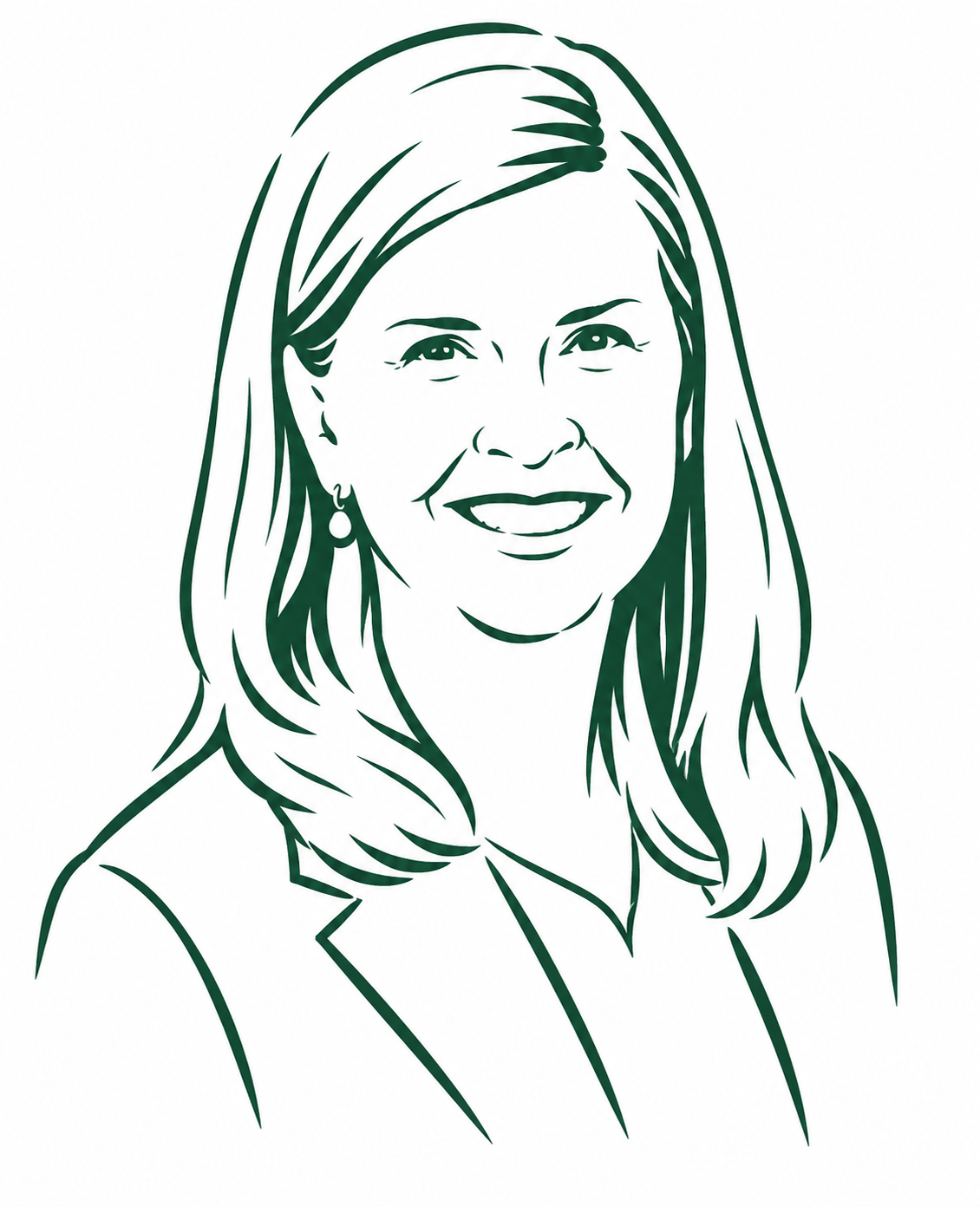
"Caroline’s approach to education reflects her deep experience and her genuine commitment to each student’s growth and well-being. She understands how high-achieving students thrive and works closely with them to provide the guidance, challenge, and encouragement they need to reach their full potential. Her insight allows her to tailor her support to individual strengths, aspirations, and circumstances, ensuring that every student feels both understood and empowered."
Connect with Dr. Connolly
If you would prefer to schedule a free 20 minute consultation, please click here.